

New York City’s neighborhoods feel like small cities stitched together, each offering a different atmosphere, culture and pace of life. Some are known for history and architecture, others for food, nightlife or waterfront views. For travelers in the research stage of planning a trip, understanding neighborhoods helps shape where to stay, what to prioritize and how to experience the city beyond major landmarks. Instead of seeing New York as one giant destination, it helps to see it as a collection of distinct places with their own personalities.
Quick Takeaways
- New York City is made up of five boroughs, each with neighborhoods that offer different experiences for visitors
- Some areas are ideal for sightseeing and first time trips, while others shine for food, culture or local atmosphere
- Exploring neighborhoods on foot is one of the best ways to understand the city’s character
- Many of the most memorable travel moments in NYC happen outside of the biggest tourist attractions
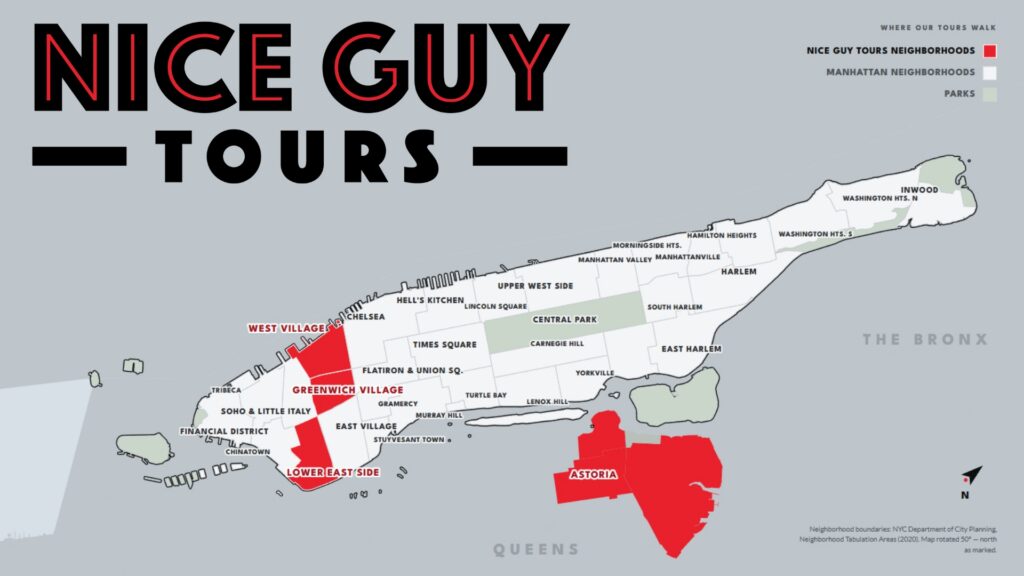
Manhattan Neighborhoods Worth Exploring
Greenwich Village
Greenwich Village is known for its tree lined streets, historic townhouses and long ties to music, art and activism. Travelers often enjoy wandering here without a strict plan, popping into small cafés, comedy clubs and jazz venues. Washington Square Park acts as a lively gathering point where street performers, students and locals mix throughout the day. The neighborhood feels relaxed compared to Midtown, making it a favorite for visitors who want charm and culture in one place.
Lower East Side
The Lower East Side blends deep immigrant history with a modern food and nightlife scene. Historic tenement buildings sit alongside popular restaurants, cocktail bars and music venues. It is a strong choice for travelers interested in how New York evolved through different waves of immigration and cultural change. During the day it offers museums and walking tours, while at night it becomes one of the city’s busiest spots for dining and going out.
SoHo
SoHo is widely recognized for its cast iron buildings, cobblestone streets and high end shopping. Art galleries helped shape the neighborhood’s identity, and while many have moved on, creativity still shows up in design shops and street style. Visitors come here to browse boutiques, take photos of the architecture and enjoy stylish cafés. It sits close to several other neighborhoods, making it easy to combine with nearby areas in one day.
Midtown
Midtown is where many of New York’s most famous sights are located, including Times Square, Rockefeller Center and the Empire State Building. It is busy and fast paced, but it gives first time visitors quick access to major landmarks and transportation lines. Broadway theaters, large hotels and office towers define much of the landscape. While it can feel crowded, its central location makes it a practical base for short trips.
Harlem
Harlem is rich in cultural history, especially connected to African American art, music and literature. Visitors can experience gospel music, soul food restaurants and historic theaters that have shaped American culture. Landmarks like the Apollo Theater and beautiful brownstone streets add to the neighborhood’s identity. Harlem offers a deeper look at New York’s cultural roots beyond the typical tourist core.
Brooklyn: Culture, Food and Waterfront Views
Williamsburg
Williamsburg has become known for its creative energy, independent shops and vibrant dining scene. Street art, music venues and weekend markets attract both locals and visitors. The waterfront parks provide open space and views of the Manhattan skyline, which are especially popular at sunset. It is a neighborhood where travelers can experience a trendier, more residential side of New York.
DUMBO
DUMBO, short for Down Under the Manhattan Bridge Overpass, is famous for dramatic views of the Manhattan skyline and the Brooklyn Bridge. Former warehouse buildings now house galleries, tech offices and cafés. The area is compact and easy to explore on foot, making it a favorite stop for photos. Brooklyn Bridge Park nearby adds green space and waterfront paths that contrast with the city’s dense streets.
Bushwick
Bushwick is known for large scale street murals, nightlife and a strong creative community. Many visitors come specifically to see the ever changing street art and to explore local bars and music spots. The neighborhood reflects ongoing changes in New York, where industrial areas have transformed into cultural hubs. It offers a less polished but more experimental feel than some other parts of Brooklyn.
Brooklyn Heights and Boerum Hill
These neighborhoods offer quieter streets, historic brownstones and a slower pace. The Brooklyn Heights Promenade provides sweeping views of Lower Manhattan and the harbor. Small bookstores, cafés and neighborhood restaurants make the area pleasant for relaxed afternoons. Travelers looking for scenic walks and a break from heavy crowds often appreciate these parts of Brooklyn.
Queens, The Bronx and Staten Island
Astoria, Queens
Astoria is celebrated for its diverse food scene, especially Greek and Middle Eastern restaurants. It has a strong neighborhood feel with local bakeries, parks and cultural institutions. Visitors can explore museums or relax along the waterfront at Astoria Park. It is a good option for travelers who want to experience everyday New York life outside Manhattan.
Long Island City, Queens
Long Island City has grown quickly in recent years and is known for its waterfront parks and skyline views. Modern high rises sit next to converted warehouses that now hold art spaces and restaurants. Its location just across the East River from Midtown makes it convenient while still feeling less hectic. Gantry Plaza State Park is a highlight for open space and photography.
The Bronx
The Bronx is home to major attractions like the Bronx Zoo and the New York Botanical Garden. It also plays a key role in the history of hip hop and urban culture. Visitors interested in sports can head to Yankee Stadium, while others may enjoy exploring large parks and cultural institutions. The borough offers a mix of family friendly destinations and deep local history.
Staten Island
Staten Island is often visited via the free ferry ride from Lower Manhattan, which provides views of the Statue of Liberty and the harbor. Beyond the ferry, the borough offers parks, beaches and historic sites. It feels more suburban than the other boroughs, which can be a refreshing contrast during a busy trip. While fewer tourists spend a full day here, it can be a worthwhile addition for those with extra time.
How NYC Neighborhoods Compare
| Neighborhood | Best For | Overall Feel | Notable Experiences |
| Greenwich Village | Cafés, music, historic streets | Relaxed and cultural | Washington Square Park, jazz clubs |
| Lower East Side | Food, nightlife, history | Energetic and urban | Historic sites, late night dining |
| SoHo | Shopping, architecture | Stylish and busy | Cast iron buildings, boutiques |
| Midtown | Landmarks, Broadway | Fast paced and central | Times Square, major attractions |
| Harlem | Culture, music, history | Proud and vibrant | Historic theaters, soul food |
| Williamsburg | Creative scene, dining | Trendy and social | Street art, waterfront parks |
| DUMBO | Views, photography | Scenic and compact | Skyline views, Brooklyn Bridge Park |
| Astoria | International food, local life | Diverse and residential | Taverns, waterfront park |
| Long Island City | Skyline views, parks | Modern and developing | Gantry Plaza State Park |
| Bronx | Family attractions, sports | Varied and local | Zoo, botanical garden, stadium |
| Staten Island | Harbor views, nature | Quiet and spacious | Ferry ride, parks |
Frequently Asked Questions
What is the best NYC neighborhood for first time visitors?
Midtown is often the most convenient for first time visitors because it places many famous landmarks, theaters and transit options within easy reach.
Which NYC neighborhoods are best for food lovers?
The Lower East Side, Greenwich Village and Astoria are especially popular for their wide range of restaurants, from casual spots to destination dining.
Are NYC neighborhoods walkable for tourists?
Many Manhattan and Brooklyn neighborhoods are very walkable, with interesting streets, shops and parks close together. Longer distances between boroughs usually require public transportation.
Where can travelers get the best skyline views?
DUMBO in Brooklyn and parts of Long Island City in Queens offer some of the most iconic skyline views, especially from waterfront parks.
How many neighborhoods should visitors try to see in one trip?
Rather than rushing through too many areas, most travelers enjoy focusing on a few neighborhoods each day to really experience the atmosphere, food and local character.
Summary of What Makes NYC Neighborhoods Special
- Each neighborhood offers a distinct mix of history, culture and daily life
- Exploring beyond major landmarks leads to more personal and memorable travel experiences
- Food, music, architecture and parks vary widely from one area to another
- Planning by neighborhood helps travelers build a balanced and enjoyable NYC itinerary